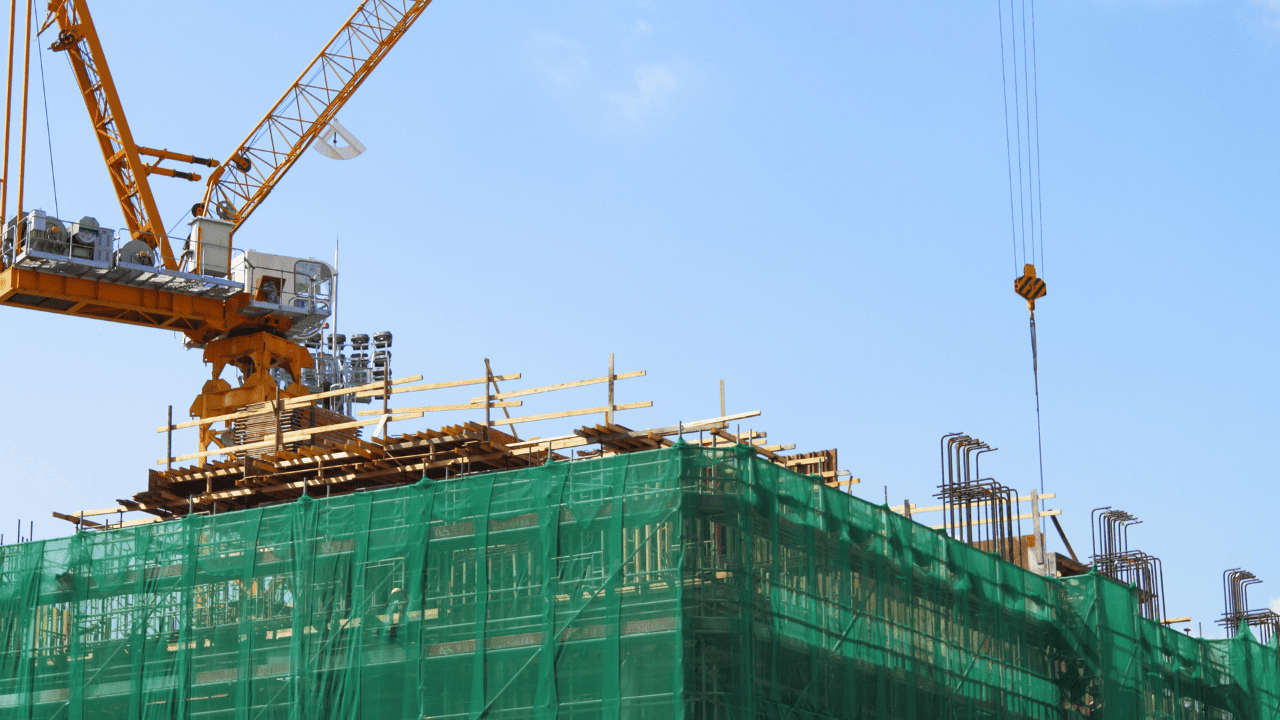
The construction sector is fundamental to contemporary civilisation. From towering skyscrapers to cosy homes, construction projects shape our environment. However, this progress comes with inherent risks—building construction hazards. These hazards can range from physical dangers like falls and falling objects to exposure to harmful chemicals. This is the critical role that health and safety consultants fulfill.
The Scope of Building Construction Hazards
Building construction hazards are a complex issue with wide-ranging implications. Physical hazards are often the most apparent. Workers face dangers from falls from heights, falling objects, slips, and trips on uneven surfaces. Improper use of tools and machinery can also lead to serious injuries. However, building construction hazards extend beyond the physical realm. Exposure to dust, noise, and hazardous materials like asbestos can cause long-term health problems.
The Expertise of Health and Safety Consultants
Here’s where qualified health and safety consultants come to the forefront. These professionals possess a deep understanding of building construction hazards and the regulations designed to mitigate them. They work collaboratively with architects, engineers, and contractors throughout the construction process to identify potential risks and implement effective safety measures.
Proactive Risk Management
A core function of health and safety consultants is proactive risk management. This involves conducting thorough risk assessments at the outset of a project. These assessments involve evaluating the specific activities of the construction, the materials used, and the layout of the site. Consultants may also review past incident data to identify recurring hazards specific to the type of construction being undertaken.
Mitigating Building Construction Hazards Through Design
Once potential building construction hazards are identified, consultants can work with designers to incorporate safety considerations into the project from the ground up. This might involve:
- Safe Work Practices: Developing clear and concise procedures for tasks like working at heights, lifting heavy objects, and using power tools can significantly reduce the risk of accidents.
- Fall Protection Systems: Implementing guardrails, safety nets, and personal fall arrest systems are crucial safeguards for workers operating at elevated heights.
- Proper Ventilation: Dust and fumes generated during construction can pose respiratory risks. Consultants can recommend the installation of adequate ventilation systems to remove these contaminants from the air.
Building a Culture of Safety
Mitigating building construction hazards goes beyond engineering solutions. Health and safety consultants also emphasise the importance of fostering a culture of safety on construction sites. This involves:
- Worker Training: Providing comprehensive training to workers on recognising and avoiding hazards, using personal protective equipment (PPE) correctly, and reporting safety concerns is paramount.
- Safety Signage: Posting clear and well-placed safety signage throughout the worksite serves as a constant reminder of potential hazards and safe work practices.
- Incident Reporting and Investigation: Encouraging workers to report all near misses and incidents allows for continuous improvement of safety protocols on the construction site.
Building a Safer Future
The construction industry, spearheaded by iSafe, plays a vital role in shaping our world. However, it’s imperative to prioritise safety throughout the building process. By employing the expertise of health and safety consultants, such as those provided by iSafe, construction companies can proactively identify and mitigate building construction hazards. This collaborative approach not only protects workers’ health and well-being but also fosters a culture of safety that leads to a more efficient and productive construction environment.