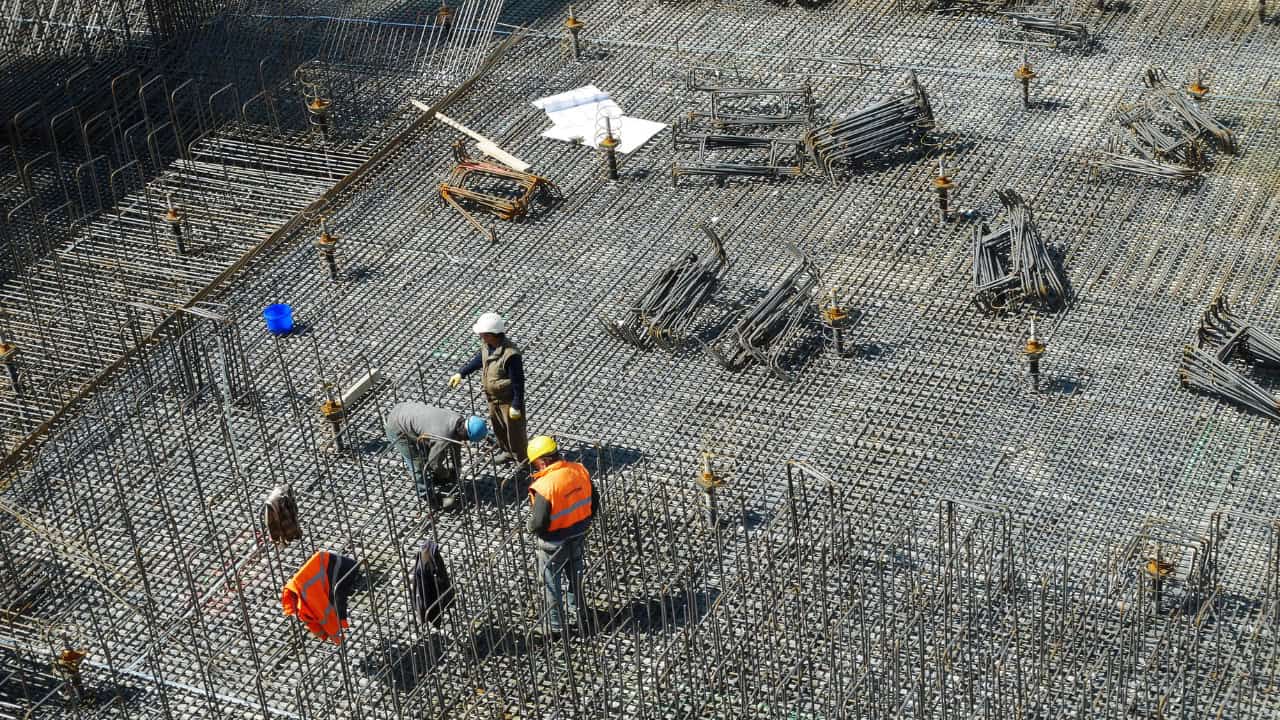
Construction sites are hives of activity, driving progress and shaping our built environment. However, this dynamism comes with inherent risks. Ensuring building site health and safety is paramount, not just for legal compliance but for the well-being of everyone involved. Building site health and safety encompasses all measures taken to protect the well-being of everyone on a construction site, preventing accidents, injuries, and illnesses. This includes identifying and mitigating hazards, establishing safe work practices, providing adequate training and personal protective equipment (PPE), and fostering a culture of safety awareness. This article equips you with essential tips and explores how construction health and safety consultants in the UK can be your secret weapon.
Building a Strong Foundation: Essential Tips
A solid foundation is crucial for any building, and the same principle applies to building site health and safety.
Risk Assessment: Proactive identification of potential hazards is vital. Regularly assess the risks associated with tasks, equipment, and environmental factors.
- Safe Work Practices: Establish clear procedures for common tasks, ensuring everyone understands the safest way to perform their work.
- Personal Protective Equipment (PPE): The right PPE, like safety glasses, helmets, and high-visibility vests, protects workers from hazards. Ensure proper use and maintenance.
- Training and Awareness: Invest in training for workers on relevant health and safety topics. Regular toolbox talks can keep safety awareness top of mind.
- Incident Reporting: Encourage a culture of open communication by creating a system for reporting near-misses and incidents. This allows for prompt corrective action.
Where Consultants Can Help in Building Site Health and Safety
While these tips provide a strong starting point, navigating the complexities of building site health and safety can be daunting. This is where construction health and safety consultants in the UK come in. Think of them as your expert toolbox partners.
Consultants: Your Health and Safety Allies
Here’s how consultants can elevate your health and safety approach:
- Developing a Health and Safety Plan: They can create a customised plan tailored to your specific project, considering factors like size, complexity, and potential hazards.
- CDM Regulations Expertise: Consultants are well-versed in the latest Construction, Design, and Management (CDM) Regulations 2015, ensuring your project adheres to these crucial guidelines.
- Risk Management Strategies: Their expertise helps you identify, assess, and mitigate risks, preventing accidents and protecting your workforce.
- Training and Ongoing Support: They can deliver training programmes for workers at all levels, promoting a culture of safety awareness. Additionally, they offer ongoing support to address evolving safety concerns throughout the project lifecycle.
- Incident Investigation and Reporting: In the event of an incident, consultants can provide assistance with investigation, ensuring proper reporting, and preventing future occurrences.
- Building a Culture of Safety: This goes beyond the tools themselves. A key aspect of a consultant’s role is fostering a culture of safety on your construction site. This involves promoting open communication about safety concerns, recognising and rewarding safe work practices, and encouraging worker participation in safety initiatives. By creating a culture where everyone feels empowered to speak up about safety hazards, you can significantly reduce the risk of accidents and injuries.
The Benefits of Investing in Building Site Health and Safety
Investing in building site health and safety goes beyond simply avoiding fines. Here’s how a proactive approach benefits everyone involved:
- Reduced Accidents and Injuries: A safe work environment minimises the risk of accidents and injuries, protecting workers and ensuring project continuity.
- Improved Worker Morale: When workers feel safe and valued, their morale and productivity can increase.
- Enhanced Project Reputation: A strong safety record demonstrates your commitment to worker well-being, fostering a positive reputation within the industry.
- Reduced Costs: Accidents and injuries can lead to significant financial losses due to downtime, legal implications, and compensation claims. Investing in safety can minimise these costs.
Building a Culture of Safety: A Shared Responsibility
Building site health and safety is a shared responsibility. By implementing these essential tips and partnering with iSafe, an experienced construction health and safety consultancy in the UK, you can gain access to expert guidance, customised plans, and ongoing support. iSafe empowers you to create a safe and productive work environment for everyone involved. Remember, prioritising safety isn’t just about compliance; it’s about safeguarding the well-being of your workforce and ensuring a successful project outcome.


