PPE – personal protective equipment…hands up, who got fed up of hearing and reading about this (or rather the lack of it) during the early days of the pandemic? The bad news, for those of you who did get fed up, is that ensuring your workforce is safe and protected from harm is an ongoing requirement – and that does include providing PPE where and when appropriate. New PPE regulations UK have been introduced to ensure the safety and well-being of workers in hazardous environments.
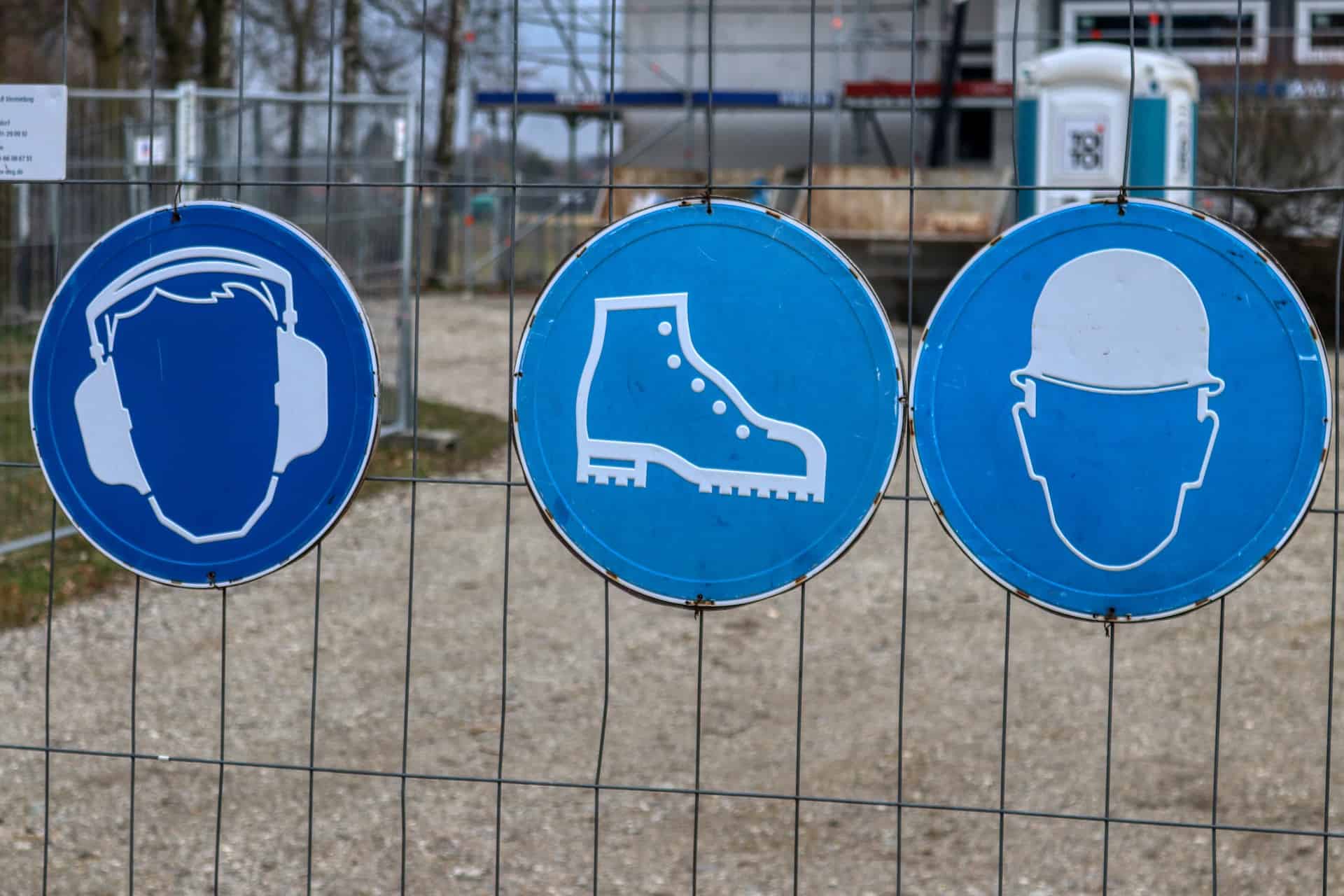
Of course, PPE extends from the masks, aprons, and coveralls the country seemed to be so short of in 2020; it includes items such as safety helmets, gloves, eye protection, high-visibility clothing, safety footwear and safety harnesses. It also includes respiratory protective equipment (RPE).
Changes to PPE Regulations UK
The current regulations relating to PPE ie, what you need to provide to your employees in terms of PPE is changing with effect from 1 April 2022.
You need to have a look to see if you need to amend any of your existing procedures.
From this date, if a risk assessment indicates that PPE is necessary for a limb (b) worker to carry out their work activities, the employer must carry out a PPE suitability assessment and provide the PPE free of charge.
What a limb (b) worker?
A Limb (b) worker is a dependent contractor, someone who is self-employed but brought on board to perform services for you (a painter, decorator, or plumber for example).
The employer is responsible for:
- Maintenance, storage and replacement of any PPE used in the business.
- Workers (whether employees or limb (b) workers) be required to use the PPE properly following training and instruction from you, the employer.
- It’s a worker’s responsibility to inform the employer if any of the provided PPE equipment is lost or becomes defective.
Benefits of adhering to PPE regulations UK to prevent accidents and injuries.
Employer Responsibilities
First and foremost you need to know what risks are present in your workplace – in other words, you need to have carried out proper risk assessments across all your departments, AND taken the appropriate steps to minimise and mitigate risks. Proper implementation of PPE regulations UK can significantly reduce the risk of occupational hazards.
PPE should be seen as a last resort, to be used only when you have taken any other appropriate actions. There will of course be circumstances – wearing hard hats on a building site for example – when PPE is always going to be necessary, and you as the employer MUST provide suitable equipment free of charge.
Selecting the right PPE
For products that are CE or UKCA marked in accordance with the Personal Protective Equipment (Enforcement) PPE Regulations UK 2018 – your suppliers can advise you.
- Ensure the equipment is suitable for the user by considering the size, fit and weight of the PPE. Even consider letting your staff help choose it, as then they will be more likely to use it!
- If more than one item of PPE needs to be worn at the same time, make sure they can be used together, e.g. wearing safety glasses may disturb the seal of a respirator, causing air leaks
- Ensure you train people how to use the equipment correctly, e.g. train people to remove gloves without contaminating their skin. Tell them why it is needed, when to use it and what its limitations are.
- Also, remember to let your people know that there are NO exceptions to wearing the correct PPE for the job – even if the job “will only take 10 mins”, stress the importance of still wearing the PPE. It’s those “quick jobs” that can end up causing the problems!
- Several case studies are presented to illustrate the positive impact of PPE regulations UK in various industries.
What else do you need to remember?
The PPE needs to be properly stored and maintained, make sure there is a safe, dry and secure place for your workers to store their PPE when they aren’t using it, and ensure they use that space. Equipment needs to be kept clean so provide cleaning products where necessary. Keep a good supply of replacement PPE to hand in the event of loss or damage.
If you’re a large employer with lots of staff using PPE, consider appointing someone to be in charge of looking after the maintenance and supply of equipment. Having one person as a point of contact could be easier for everyone, but ensure this person is properly trained. It emphasizes the importance of continuous evaluation and improvement of PPE regulations UK to keep pace with emerging safety standards.
Top Tips
- Carry out regular spot checks to see if PPE is being used. If it isn’t, find out why not.
- Put up safety signs, they can be a useful reminder that PPE should be worn
- Keep an eye on any changes in equipment, materials and methods of working as you may need to update what you provide.
Remember!
It is up to you, the employer, to ensure you provide your teams with the correct type of PPE and adequate training in its proper use. If you have ANY doubts at all, contact us here at iSafe – we’d be happy to help and advise you.For further information see the HSE guidance on PPE